How to Visit and Pray at a Buddhist Temple
A visit to a Buddhist temple in Japan is more than sightseeing. Passing through a great wooden gate, the atmosphere shifts, inviting calm and awareness. From the first bow at the entrance to the final farewell, each action carries meaning and reflects respect for a sacred space.
1. The Gate: Where the World Stays Outside
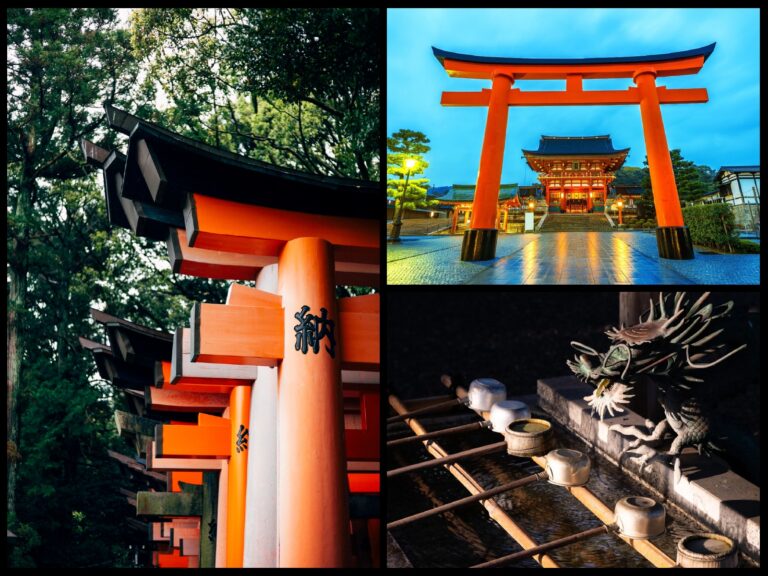
At the sanmon, the temple’s main gate, a brief pause is customary. The gate marks the boundary between everyday life and sacred ground. Before entering, clothes are adjusted, hats are removed, palms are pressed together, and a gentle bow is offered. Inner gates within the grounds are also greeted with quiet bows.
Within the temple grounds, walking along the sides of the path is considered respectful. This practice preserves tradition and maintains a calm environment for reflection.
2. The Washing Basin: Purify More Than the Hands
Near the entrance, a stone basin with ladles, known as the chōzuya, is often found. This space is used for ritual purification, symbolizing the cleansing of body and mind before prayer.
The general sequence is as follows:
1. The ladle is held in the right hand to wash the left hand.
2. Hands are switched, and the right hand is washed.
3. Water is poured into the left palm to gently rinse the mouth, without touching the ladle to the lips.
4. The left hand is washed again.
5. The ladle is tilted vertically so water runs down the handle, cleansing it for the next visitor.
If the mouth rinse is omitted, a respectful gesture of the motion is still acceptable.
3. Main Hall: Where Silence Speaks
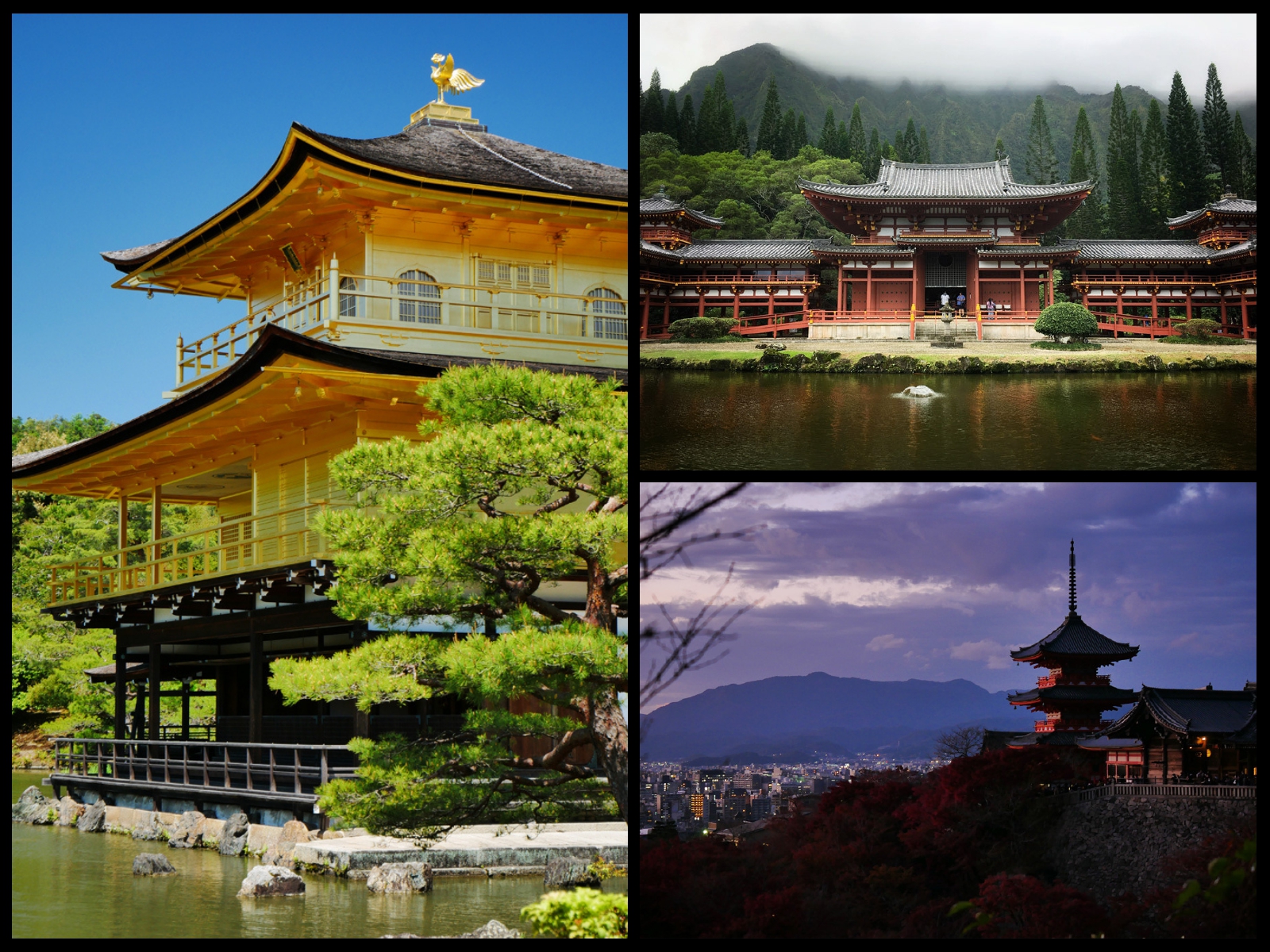
After purification, attention turns to the Main Hall (hondō), where the principal Buddhist image is enshrined.
Before prayer:
• A coin is placed gently into the offering box, avoiding loud clatter.
• If a bell is present, a light ring may announce presence, though silence is preferred when monks are chanting nearby.
Prayer is offered by standing quietly with palms pressed together. Unlike Shinto shrines, clapping is not performed at Buddhist temples. A calm bow before and after prayer completes the gesture.
Prayer beads (nenju) may be used to aid focus, though their use is optional.
4. Leaving: One Last Gesture
Upon departure, the main gate is crossed once more. Before leaving the grounds, a final pause is taken. Facing the Main Hall, palms are pressed together and a bow is offered in gratitude before returning to everyday life.
Why These Manners Matter
These practices are not rigid rules but meaningful symbols:
• bowing expresses respect,
• purification represents inner clarity,
• silence deepens awareness.
Gestures and rituals help convey sincerity, yet the essence of a temple visit lies in calm presence and respectful intention.