Wafuku: Traditional Japanese Clothing
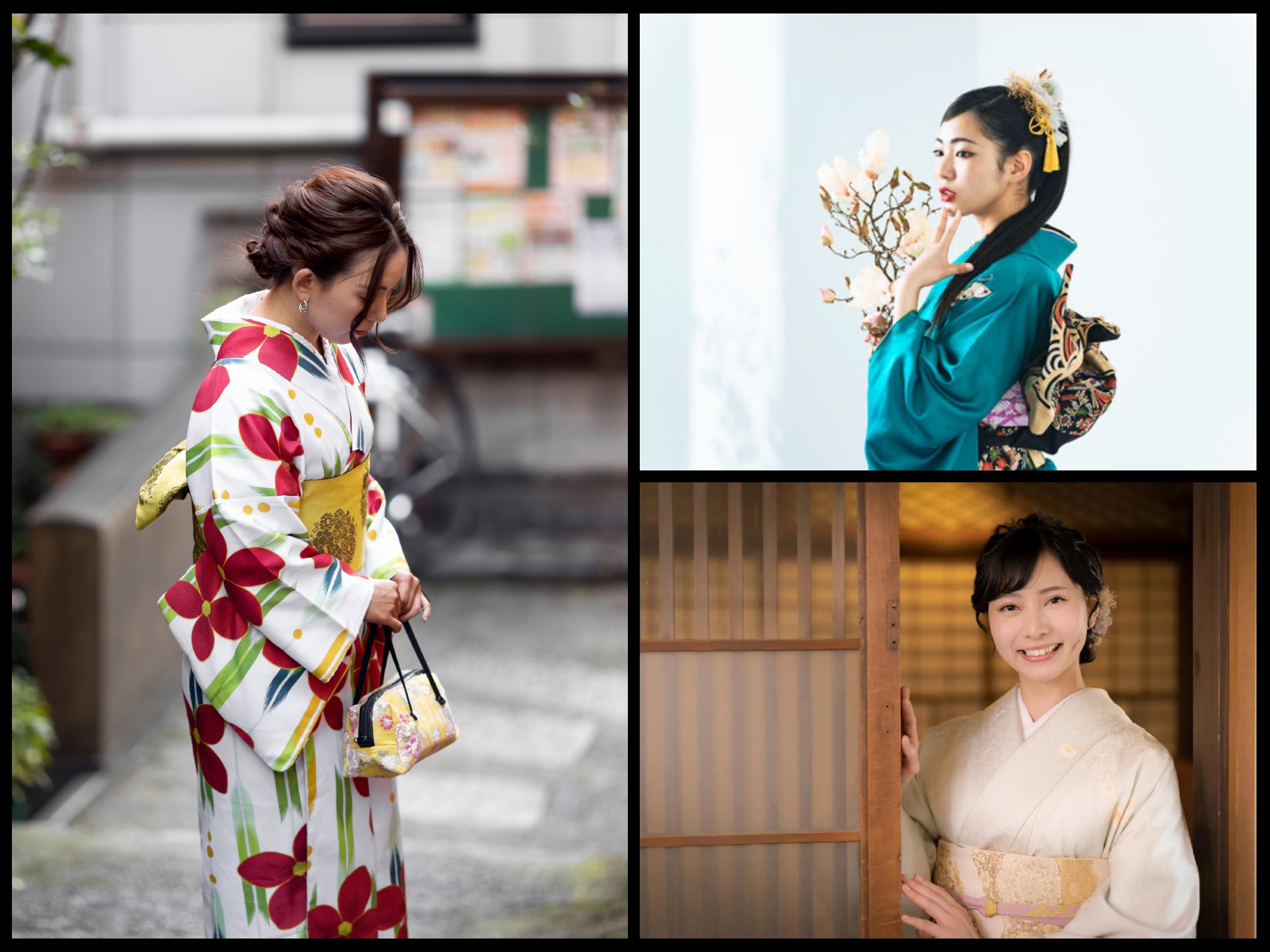
Wafuku refers to traditional clothing native to Japan and is still worn today on ceremonial occasions such as coming-of-age ceremonies, weddings, funerals, and memorial services. In modern sightseeing, wearing rented kimono has also become a popular cultural experience that adds enjoyment to a trip.
Wafuku, also known as kimono or gofuku, differs greatly from Western clothing. While Western garments are tailored to fit the body through curved, three-dimensional cutting, wafuku is constructed from straight pieces of fabric and worn by securing the cloth with an obi (sash). This structure allows the garment to adapt to different body shapes and emphasizes form through layering rather than tailoring.
The type and purpose of wafuku vary depending not only on the shape of the garment, but also on the fabric, colors, and placement of patterns.
Women’s Formal Wear
Kurotomesode
Kurotomesode is a formal kimono made of black-dyed chirimen (crepe silk) and is worn by married women. It is most commonly seen at weddings, worn by the mothers and close relatives of the bride and groom, as well as by the nakōdo (matchmakers).
Irotomesode
Irotomesode is a formal kimono dyed in a solid color other than black. Unlike kurotomesode, it can be worn by both married and unmarried women. It is considered dignified and elegant and is worn on formal occasions such as weddings and official ceremonies.
Homongi
Homongi is a type of semi-formal women’s kimono made from a wide range of fabrics. Its defining feature is a continuous pictorial design that flows across the seams and extends over the shoulders and chest. It is often worn to weddings, parties, and formal gatherings.
Furisode
Furisode is a formal kimono worn primarily by unmarried women. Its most distinctive feature is its long sleeves, which create a graceful and eye-catching appearance. It is commonly worn at coming-of-age ceremonies, graduation ceremonies, and sometimes as bridal attire.
Furisode are classified by sleeve length: kofurisode (short), chūfurisode (medium), and ōfurisode (long). Longer sleeves are traditionally associated with higher formality.
Casual and Everyday Wear
Tsumugi
Tsumugi is a type of kimono known for its durability and was traditionally worn as everyday clothing. It is made from sturdy silk yarn spun from leftover or imperfect cocoons that could not be used for fine silk production. Because of its strength, tsumugi was often worn for many years and sometimes passed down through generations.
Its texture appears matte rather than glossy, and it was once described as a “chic way to wear silk modestly.”
Komon
Komon is a casual kimono characterized by small, repeating patterns spread evenly across the fabric, with no directional orientation. Although it is not suitable for formal occasions, it is easy to wear and popular today, especially at kimono rental shops.
Yukata
Yukata
Yukata is a lightweight summer garment widely recognized as a seasonal fashion item. Modern yukata, especially those for women, often feature bright colors and bold patterns. Because they are worn in summer, the fabric is typically light and breathable. Yukata are commonly worn at festivals, fireworks events, and at traditional inns.
Jinbei
Jinbei is a traditional garment that was originally worn as loungewear at home, similar to yukata. The name is said to come from its resemblance to jinbaori, sleeveless coats worn by warlords during the Sengoku period.
Today, jinbei is commonly worn by men at summer festivals and casual outings. As its popularity has grown, designs and patterns have become more varied, and jinbei has gradually established itself as casual outdoor attire.